
Influenza, COVID-19, RSV, and hMPV: What Sets These Respiratory Viruses Apart?
1. Four Viruses, Different Genetic Blueprints
| Feature | Influenza virus | SARS-CoV-2 | RSV | hMPV |
|---|---|---|---|---|
| Family | Orthomyxoviridae | Coronaviridae | Pneumoviridae | Pneumoviridae |
| Genome | Segmented, negative-sense RNA | Non-segmented, positive-sense RNA | Non-segmented, negative-sense RNA | Non-segmented, negative-sense RNA |
| Key proteins | HA, NA | S, N, M, E | F, G | F, G |
| Research focus | Antigenic drift, reassortment, vaccine selection | Spike antibody recognition, immune escape | F-protein structure, neutralizing antibodies | F-protein structure, host responses, vaccine research |
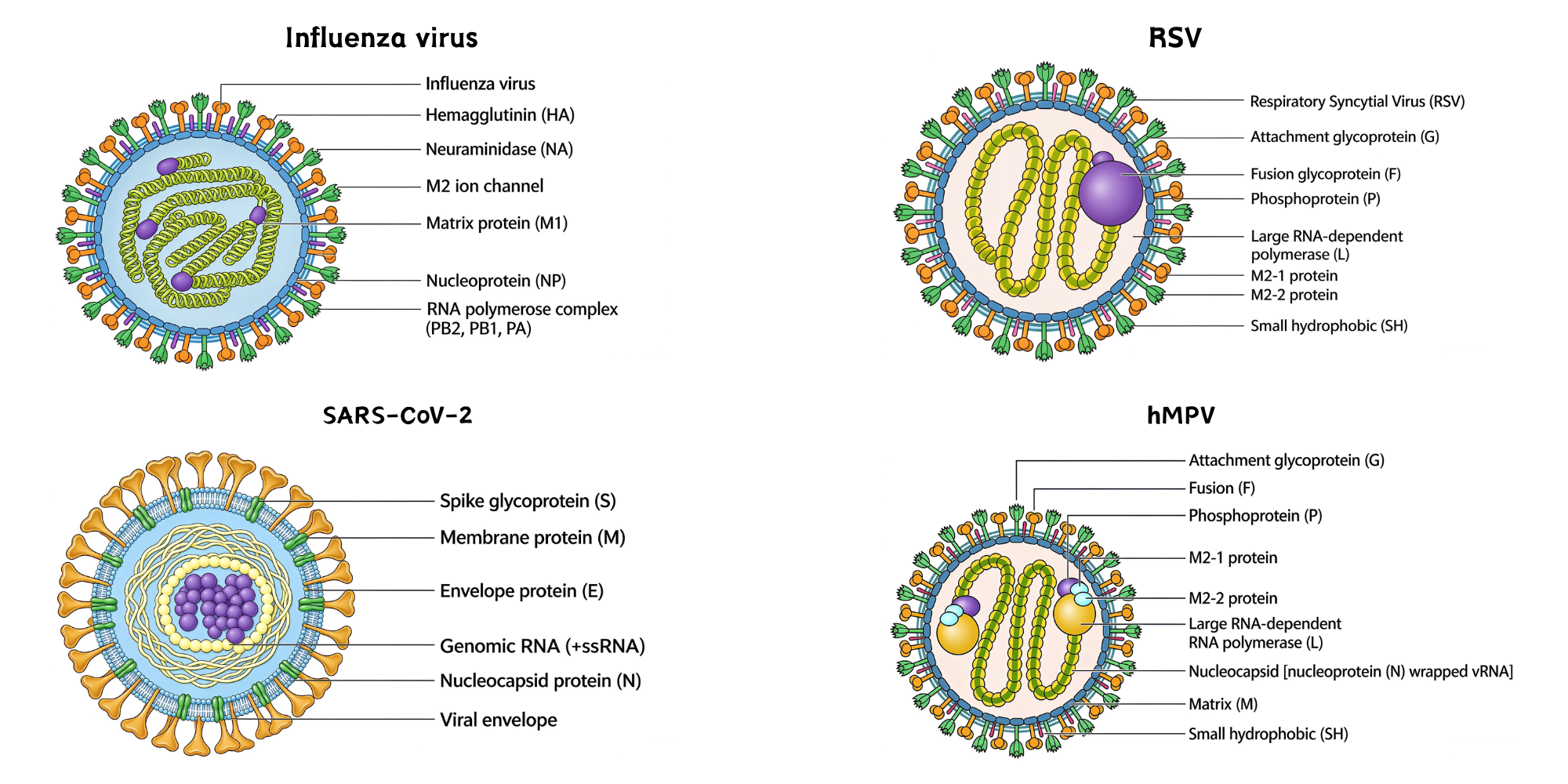
Influenza stands out because its genome is divided into separate segments. If two influenza viruses infect the same cell, these segments can be exchanged, producing new combinations of viral genes. This process, called reassortment, is one reason influenza viruses can evolve in ways that complicate vaccine design.
SARS-CoV-2, RSV, and hMPV have non-segmented genomes. They evolve through different mechanisms, including the accumulation of mutations that may alter viral proteins and how the immune system recognizes them.
2. Why Viral Proteins Matter
For researchers studying respiratory viruses, surface proteins are often a natural starting point. They are involved in infection and are also among the main targets examined in antibody and vaccine research.
Influenza: HA and NA
Hemagglutinin (HA) helps the virus attach to host cells and enter them. Neuraminidase (NA) facilitates the release of newly formed virus particles from infected cells. Both proteins are exposed on the viral surface, where they can be recognized by antibodies. Changes in HA and NA are relevant to the selection of seasonal influenza vaccine strains and the search for broader protection against different viral strains.
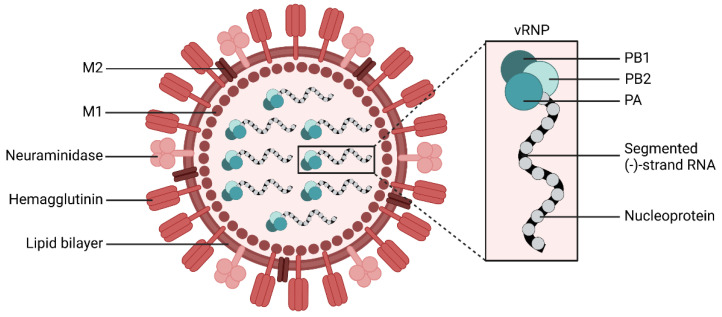
Schematic representation of an influenza A virus
SARS-CoV-2: Spike protein
The spike (S) protein binds to the host-cell receptor and mediates membrane fusion during viral entry. It is also a major target of antibodies generated by infection or vaccination. Mutations in spike can change how individual antibodies bind to the protein or neutralize the virus. The extent of this effect depends on the mutation and the antibody being tested, which is why binding assays and neutralization assays can provide different, complementary information.
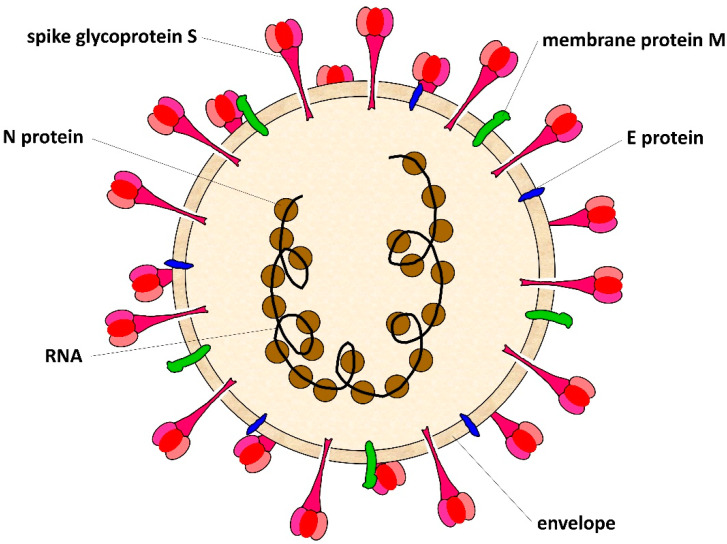
SARS-CoV-2 virus section
RSV and hMPV: Related, but not interchangeable
RSV and hMPV belong to the same viral family and both carry fusion (F) and attachment glycoproteins. Their shared features are useful for comparison, but the two viruses remain antigenically distinct.
The F protein drives fusion between the viral envelope and the host-cell membrane. Its structure matters: antibodies may recognize different epitopes depending on the protein's conformation. Researchers therefore study F-protein structure and antibody recognition when evaluating potential vaccine antigens and neutralizing antibodies.
An antibody that binds or neutralizes RSV should not be assumed to have the same activity against hMPV. Cross-reactivity and cross-neutralization need to be tested directly.
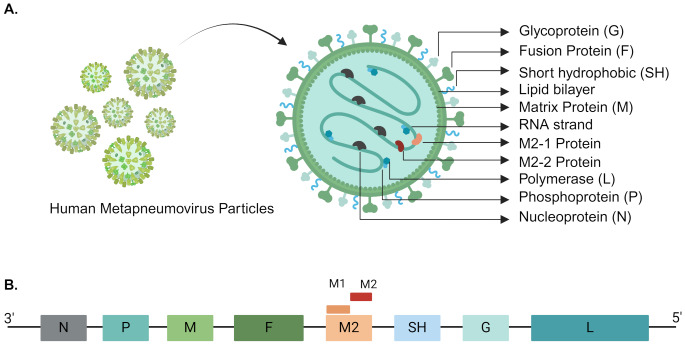
Human Metapneumovirus structure and genome
3. Choosing the Right Detection Method
Symptoms alone usually cannot distinguish these infections reliably. Laboratory testing provides more specific information, but the methods differ in what they measure.
| Method | Target | What it tells you |
|---|---|---|
| RT-qPCR | Viral RNA | Whether the target viral genetic material is detected |
| Antigen assay | Viral protein | Whether the target antigen is detected |
| Antibody assay | Host antibodies | Whether antibodies against a specific antigen are present |
| Neutralization assay | Functional antibody activity | Whether antibodies can inhibit viral infection in the assay |
A positive nucleic acid test does not necessarily mean that infectious virus is still present. Likewise, antibody binding alone does not establish that an antibody can block infection. The right assay depends on the question being asked.
Recombinant viral proteins are useful tools for studying antigen structure, screening antibodies, and investigating immune recognition. Antibodies and ELISA kits can also be used in target detection and assay development, provided the selected products are appropriate for the application and supported by relevant validation data.
4. Where Does Vaccine Development Stand?
Progress differs considerably among these viruses.
Influenza: Seasonal vaccines are updated in response to changes in circulating viruses. Researchers are also exploring approaches that target more conserved regions of the virus in the hope of providing broader protection.
COVID-19: SARS-CoV-2 continues to evolve, and changes in spike can affect antibody recognition. Studies of new variants and cross-neutralizing antibodies help assess how broadly existing immune responses recognize different variants.
RSV: Vaccines are available for certain groups in several regions, including older adults and, under applicable recommendations, pregnant individuals to help protect their infants. Long-acting monoclonal antibodies are also used to protect eligible infants against RSV disease. Unlike vaccines, these antibodies provide passive immunity rather than stimulating the recipient to produce their own antibody response.
hMPV: No hMPV vaccine has been approved for routine use as of October 2026. The F protein is a leading target in vaccine research, but designing a vaccine that induces strong and durable protection remains an active challenge.
AntibodySystem Respiratory Virus Research Related Products
Understanding these viruses often starts with the right antigen, antibody, or assay. AntibodySystem provides RUO recombinant proteins, antibodies, and ELISA kits for life science and biopharmaceutical research. Researchers can select products according to their targets and experimental needs, with application suitability assessed against the relevant product data.
Antigens
| Cat. No. | Product Name |
|---|---|
| EVV03842 | Recombinant Flu A/H3N2 HA/Hemagglutinin Protein, C-Avi-His |
| EVV24004 | Recombinant Influenza A virus (H10N7) NA/Neuraminidase Protein, C-His |
| EVV02801 | Recombinant HRSV-A2 Pre-F/Fusion glycoprotein F0 Protein, C-His-Strep |
| EVV34301 | Recombinant PRRSV2 GP3 Protein, C-Fc |
| EVV00105 | Recombinant SARS-CoV-2 Spike - Trimer/S6P trimer Protein, C-His |
| EVV00101 | Recombinant SARS-CoV-2 S - Trimer (WT), C-His |
| EVV29401 | Recombinant HMPV G/Major surface glycoprotein G Protein, C-His |
| EVV22901 | Recombinant HMPV F/Fusion glycoprotein F0 Protein, C-His |
Antibodies
| Cat. No. | Product Name |
|---|---|
| RVV02817 | Anti-RSV F/Fusion glycoprotein F0 Antibody (4D7) |
| RVV02809 | Anti-HRSV-A F/Fusion glycoprotein F0 Antibody (D25) |
| RVV00314 | Anti-SARS-CoV-2 RBD antibody (1F8) |
| RVV00508 | Anti-SARS-CoV-2 S2 Protein antibody (1B10) |
| RVV22901 | Anti-HMPV F/Fusion Protein Antibody (SAA0840) |
| PVV29501 | Anti-HMPV M2-1/Protein M2-1 Polyclonal Antibody |
ELISA Kits
| Cat. No. | Product Name |
|---|---|
| KVV02801 | HRSV F/Fusion glycoprotein F0 Antigen ELISA Kit |
| KAV02802 | Anti-HRSV F/Fusion glycoprotein F0 Human IgG ELISA Kit |
| KAV00307 | Anti-SARS-CoV-2 RBD (Delta) Human IgG ELISA Kit |
| KAV00109 | Anti-SARS-CoV-2 Spike Protein (Trimer) Human IgG ELISA Kit |
| KVV29401 | HMPV G/Major surface glycoprotein G ELISA Kit |
| KVV22901 | HMPV F/Fusion glycoprotein F0 ELISA Kit |
References
1. A comparative review on the epidemiology of influenza, COVID-19 and respiratory syncytial viruses
2. Generation of Recombinant SARS-CoV-2 Using a Bacterial Artificial Chromosome
3. Human Respiratory Syncytial Virus: Infection and Pathology
4. Modulation of Host Immunity by the Human Metapneumovirus
5. Human metapneumovirus (hMPV): the virus who came with the common cold
6. Structural and Phylogenetic Analysis of SARS-CoV-2 Spike Glycoprotein from the Most Widespread Variants
7. Antiviral Potential of Natural Resources against Influenza Virus Infections


